Demand in Automotive and Construction Drives Growth in Silicone Sealants Market
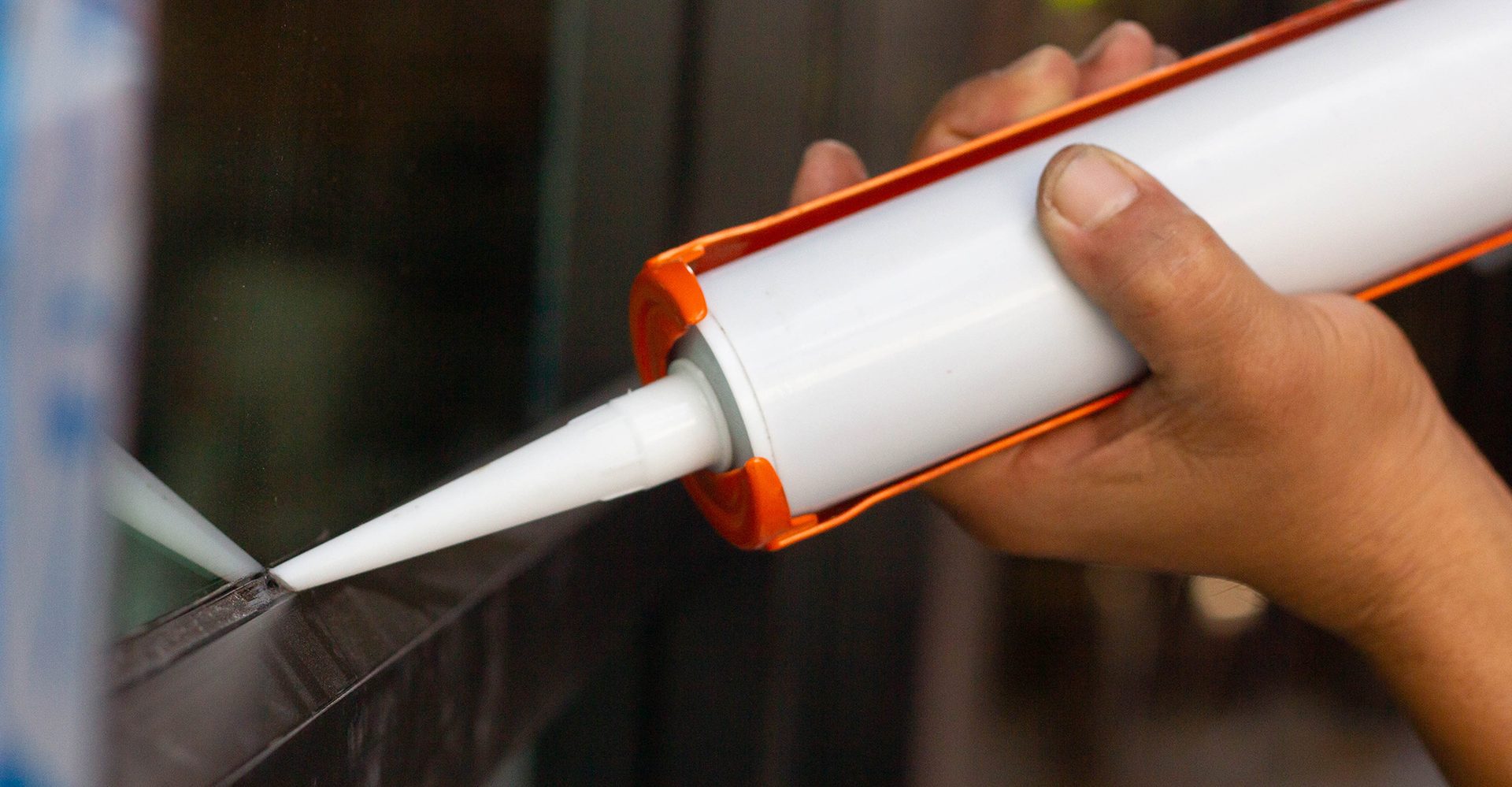
Advancements in silicone sealant formulations are creating enhanced durability, flexibility, and resistance to environmental factors.

–Credit: Toa55 / iStock via Getty Images Plus–
By Persistence Market Research
Silicone sealants are versatile, high-performance materials used to create durable, flexible, and watertight bonds. Formulated from silicone polymers, they are used across a wide range of industrial and construction applications. Silicone sealants maintain their elasticity and adhesion under extreme temperatures, UV exposure, and moisture, making them suitable for sealing joints, gaps, and interfaces in building façades, glazing systems, automotive assemblies, and electronic components. They offer chemical stability and long service life, making these products essential when reliability and environmental resistance are critical to product performance and safety.
A recent study projects that the global silicone sealants market will grow from $4.8 billion in 2025 to $7.2 billion by 2032, registering a CAGR of 5.7% during the forecast period. According to the study, growth is primarily fueled by the rising demand from the construction and automotive industries, coupled with advancements in sealant formulations that offer enhanced durability, flexibility, and resistance to environmental factors. Silicone sealants continue to be a preferred choice across industrial and commercial applications due to their unique ability to bond diverse materials while maintaining performance in extreme conditions.
Industries increasingly rely on high-performance adhesives and sealants to enhance structural integrity, efficiency, and product longevity. Silicone sealants, offer properties such as superior weather resistance, elasticity, and strong adhesion to various substrates like glass, metal, plastic, and ceramics, which make them useful in applications that range from construction and automotive manufacturing to electronics and industrial assembly.
Market Drivers
The growing infrastructure development, rapid urbanization, and increased emphasis on energy-efficient buildings are boosting silicone sealant consumption across residential, commercial, and industrial construction projects. Additionally, the automotive industry's shift toward lightweight vehicles and electric mobility is further driving demand for silicone-based bonding solutions. These sealants help improve vehicle safety, reduce vibration, and ensure long-lasting sealing of joints and components exposed to heat, moisture, and vibration.
Ongoing technological advancements in sealant chemistry, such as hybrid and modified silicone systems, are enhancing product versatility and sustainability. Manufacturers are focusing on developing eco-friendly, low-VOC sealants to meet stringent environmental regulations and cater to the rising preference for green building materials.
–Credit: undefined undefined / iStock via Getty Images Plus–
Construction
According to research, the silicone sealants market growth is primarily driven by the construction sector, where they are extensively used for sealing expansion joints, glazing, cladding, and insulation systems. The global push toward smart cities and energy-efficient infrastructure is resulting in increased demand for weatherproof and durable sealants. Silicone sealants not only offer long-term protection against UV rays, moisture, and temperature fluctuations but also improve the aesthetic and functional performance of modern structures.
The shift toward sustainable and energy-efficient materials is a prominent trend shaping the building and construction market. With governments and regulatory bodies promoting green building initiatives, there is an increasing demand for sealants that contribute to energy conservation and have minimal environmental impact. Low-VOC and solvent-free silicone sealants are becoming the standard for eco-friendly construction, as governments and consumers demand products that present a smaller environmental footprint.
Automotive
Another major growth driver is the automotive industry, which relies on silicone sealants for applications in body panel sealing, glass installation, and component assembly. The surge in electric vehicle (EV) manufacturing has further expanded the scope of silicone sealants, as they play a crucial role in battery protection, electronic insulation, and thermal management. Their resistance to extreme temperatures and electrical insulation capabilities make them ideal for ensuring vehicle reliability and safety.
However, the market faces certain challenges. The high cost of raw materials and the availability of substitutes like polyurethane and polysulfide sealants can restrain market growth to some extent. Additionally, the complex curing processes and limited compatibility with certain surfaces require specialized handling and application, which can increase operational costs.
Despite these challenges, there are significant growth opportunities in developing economies, where construction and automotive sectors are expanding rapidly. Moreover, advancements in curing technologies and the introduction of biobased silicone formulations are expected to open new avenues for innovation and sustainability in the coming years.

–Credit: Toa55 / iStock via Getty Images Plus–
Current Trends
A significant trend within the silicone sealants market is the rise of hybrid silicone formulations that combine the best properties of organic and inorganic compounds. These advanced materials offer improved mechanical strength, faster curing times, and enhanced adhesion on difficult substrates. This innovation is helping manufacturers address a wider range of applications, particularly in the electronics and industrial sectors.
In the electronics industry, silicone sealants are gaining prominence for their insulating, moisture-resistant, and vibration-dampening properties. They are widely used for potting and encapsulation of electronic components, ensuring device longevity and performance under challenging environmental conditions.
Additionally, the industrial segment is experiencing growing demand for silicone sealants in equipment maintenance, assembly, and repair operations. These sealants are used for sealing joints and gaskets in machinery exposed to heat, chemicals, and mechanical stress. The market's expansion is further supported by continuous product innovation aimed at enhancing adhesion, curing speed, and resistance to harsh environments.
Regional Outlook
Regionally, East Asia dominates the global silicone sealants market, with China, Japan, and South Korea leading in both production and consumption. The region's robust construction activity, coupled with significant automotive manufacturing output, fuels steady demand. Additionally, rapid urbanization and government investments in infrastructure development are further propelling market growth in the region.
North America holds a substantial market share, supported by advanced construction practices and strong adoption of high-performance materials. The United States is witnessing growing demand for silicone sealants in commercial and residential applications due to their energy-saving and long-lasting characteristics.
Europe follows closely, driven by stringent environmental regulations and the high adoption of green construction materials. The region's automotive sector, with major manufacturers focusing on electric vehicle production, also contributes significantly to the demand for silicone sealants.
Emerging regions such as South Asia, Oceania and Latin America are poised for strong growth as industrialization, urbanization, and infrastructure investments accelerate. Meanwhile, the Middle East and Africa market is expanding due to large-scale construction projects, particularly in the UAE and Saudi Arabia, where silicone sealants are integral to modern architectural designs and weatherproofing solutions.
Learn more about the report, published by Persistence Market Research, by visiting persistencemarketresearch.com.